


.jpg&description=Explore cryptopia craigscottcapital, digital finance trends, emerging crypto technologies, market changes, and the evolving role of financial platforms.)
The financial world has changed dramatically as digital technology has moved from being a supporting tool to becoming a central part of how people manage, transfer, and understand money. Cryptocurrencies, blockchain networks, digital assets, automated financial tools, and online investment platforms have all contributed to this transformation. Within discussions surrounding these developments, the phrase cryptopia craigscottcapital can be viewed as a useful search topic for exploring the intersection of cryptocurrency, digital finance, and changing approaches to financial technology.
The modern digital finance environment is considerably broader than cryptocurrency prices or trading. It includes blockchain infrastructure, tokenized assets, decentralized applications, payment technology, cybersecurity, regulatory frameworks, and the growing use of artificial intelligence in financial services. Understanding these developments requires looking beyond short-term market movements and examining the technologies and financial practices shaping the wider ecosystem.
For readers researching cryptopia craigscottcapital, the most useful approach is to consider how digital finance is evolving and why businesses and individuals continue to pay attention to cryptocurrency-related technologies. Rather than treating digital assets as a single category, it is important to understand the different systems, opportunities, risks, and practical applications developing around them.
Understanding the Digital Finance Landscape
Digital finance refers to financial services delivered or supported through digital technologies. Online banking, mobile payments, digital wallets, automated investing, blockchain-based transactions, and cryptocurrency exchanges are examples of how financial activity has increasingly moved into digital environments. This transformation has made financial services faster and more accessible in many markets while also creating new challenges involving privacy, security, regulation, and consumer protection.
Cryptocurrency represents one part of this broader transition. Bitcoin introduced a decentralized digital payment concept, while later blockchain networks expanded the technology’s potential through programmable transactions and decentralized applications. These developments created an ecosystem in which blockchain technology could be used for purposes beyond simple transfers of digital currency.
The continuing interest surrounding cryptopia craigscottcapital reflects a wider curiosity about how cryptocurrency and digital financial services fit together. Investors, technology professionals, entrepreneurs, and financial institutions increasingly examine blockchain not only as an alternative asset infrastructure but also as a technology capable of supporting new financial products and business models.
How Cryptocurrency Has Evolved
The cryptocurrency market has developed substantially since the introduction of Bitcoin. Early discussions largely focused on decentralized digital money and the possibility of reducing dependence on traditional intermediaries. Over time, the ecosystem expanded to include stablecoins, decentralized finance, non-fungible tokens, smart contracts, tokenized assets, and blockchain-based applications.
One of the most significant developments has been the growth of smart-contract platforms. These networks allow software programs to execute predetermined instructions when specified conditions are met. This concept supports decentralized applications and financial protocols that can perform functions traditionally associated with financial intermediaries.
The evolution has also brought greater attention to scalability and transaction efficiency. Earlier blockchain systems sometimes struggled with transaction speed and network congestion. Newer approaches, including layer-two technologies and alternative blockchain architectures, have attempted to address these limitations. As infrastructure improves, digital assets may become increasingly integrated into broader financial and commercial systems.
The Role of Blockchain in Modern Finance
Blockchain technology provides a shared digital record of transactions that can be maintained across a distributed network. Its potential value in finance extends beyond cryptocurrencies because financial institutions can use distributed-ledger concepts for settlement, recordkeeping, asset transfers, and other processes.
Traditional financial transactions can involve several intermediaries, databases, reconciliation processes, and settlement stages. Blockchain-based systems may reduce some of this complexity in appropriate applications. However, the technology is not automatically better for every financial task. Performance, governance, privacy requirements, legal obligations, and integration costs all need to be considered before organizations adopt blockchain solutions.
This distinction is important when researching cryptopia craigscottcapital because digital finance should not be understood solely through the lens of cryptocurrency speculation. The underlying technologies have applications that can influence payments, capital markets, supply chains, identity systems, and financial record management.
Digital Assets and Tokenization
Tokenization is another important development within digital finance. In simple terms, tokenization involves representing an asset or ownership interest digitally on a blockchain or related infrastructure. The concept can potentially apply to financial securities, real estate interests, commodities, collectibles, or other forms of value, depending on the legal and technical framework.
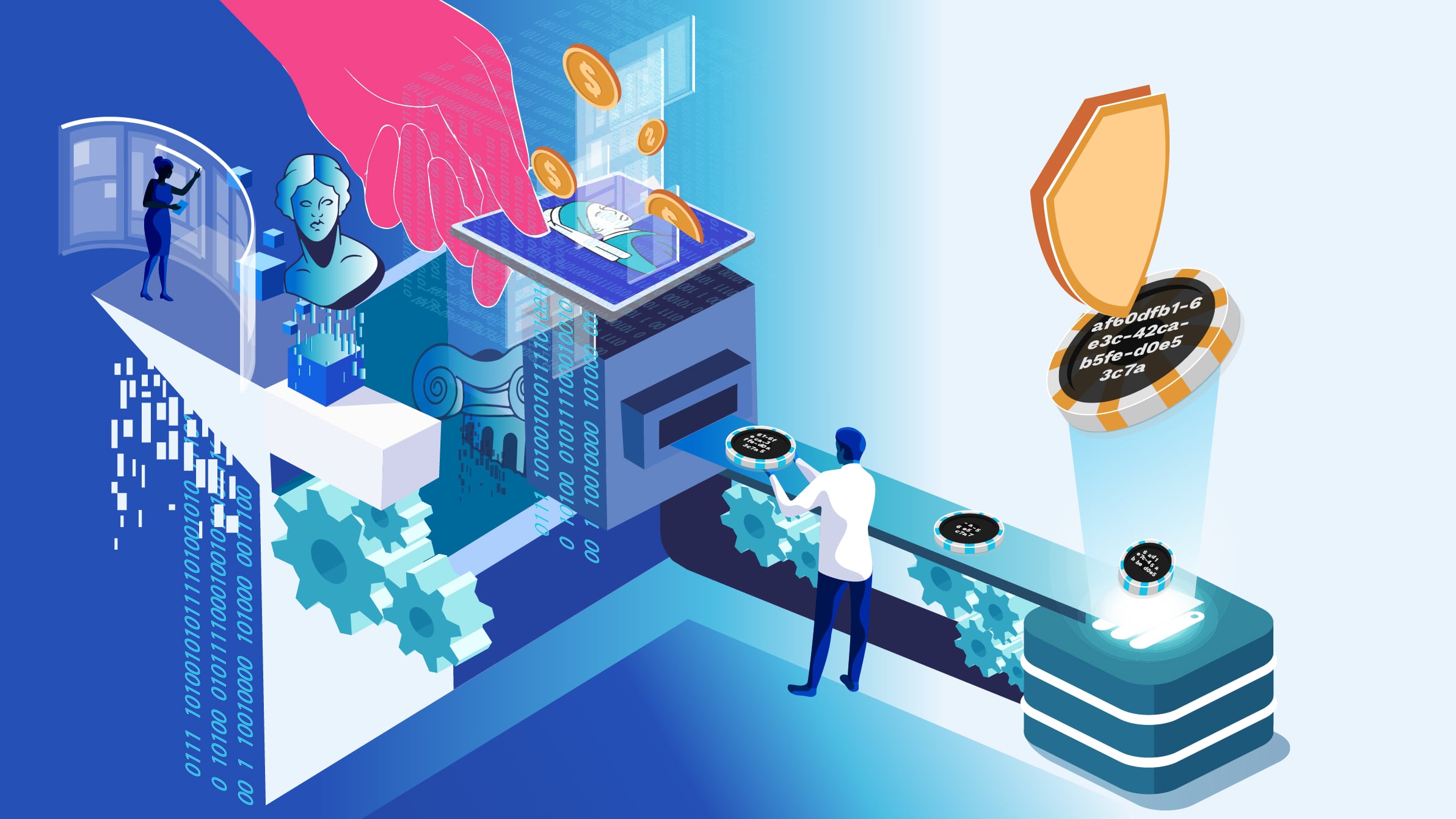
The appeal of tokenization comes partly from the possibility of creating more efficient systems for issuing, transferring, and recording ownership. Digital representations can potentially support fractional ownership and automated processes. At the same time, tokenization does not eliminate the need for legal ownership structures, reliable asset records, appropriate custody, and regulatory compliance.
The development of tokenized assets demonstrates why discussions around cryptopia craigscottcapital can extend beyond cryptocurrency trading. Digital finance is increasingly becoming a broader conversation about how technology can change the infrastructure supporting financial ownership and transactions.
Key Areas Shaping Digital Finance
Several developments are particularly important when evaluating the current digital financial environment.
- Blockchain infrastructure continues to develop around scalability, interoperability, security, and transaction efficiency.
- Stablecoins are attracting attention because they attempt to connect blockchain-based transactions with relatively stable units of value.
- Tokenization is being explored for various traditional and alternative assets.
- Artificial intelligence is increasingly being used for financial analysis, automation, fraud detection, and risk management.
These developments do not guarantee adoption or commercial success. Each technology faces technical, regulatory, economic, and operational challenges. Their long-term importance will depend on whether they provide practical value beyond experimentation.
Cryptocurrency Regulation and Consumer Awareness
Regulation has become one of the most important issues surrounding digital assets. Governments and financial authorities around the world have taken different approaches to cryptocurrencies, ranging from strict restrictions to frameworks designed to permit regulated activity. Regulations can cover taxation, anti-money-laundering requirements, licensing, consumer protection, reporting, custody, and market operations.
For users researching cryptopia craigscottcapital, understanding the regulatory environment is essential. A digital asset that is accessible through an online platform is not necessarily suitable for every investor or available under the same rules in every country. Legal treatment can vary significantly depending on jurisdiction and the type of asset or service involved.
Consumer awareness is equally important. Digital assets can involve substantial price volatility, cybersecurity risks, phishing attempts, fraudulent projects, and irreversible transactions. Responsible participation therefore requires users to understand how wallets, private keys, exchanges, custody systems, and transaction confirmations work before committing funds.
Technology, Security, and Digital Asset Protection
Security remains one of the biggest challenges in cryptocurrency and digital finance. Unlike a traditional bank account, certain blockchain transactions may be irreversible once confirmed. If private credentials are compromised, recovering assets can be difficult or impossible.
Security practices therefore play a central role in digital asset management. Users need to distinguish legitimate services from fraudulent websites and avoid sharing sensitive wallet information. Organizations managing digital assets also need strong access controls, monitoring systems, authentication procedures, backup strategies, and incident-response plans.
The security issue is especially relevant to cryptopia craigscottcapital as searches for financial platforms and digital investment information can sometimes expose users to misleading websites or impersonation attempts. A professional approach to digital finance should always separate general educational information from claims about specific investment opportunities.
Comparing Traditional and Digital Financial Systems
Digital finance does not necessarily mean that traditional financial institutions will disappear. Instead, the two systems are increasingly interacting. Banks, payment companies, technology firms, investment managers, and blockchain developers are experimenting with ways to combine established financial infrastructure with newer digital technologies.
| Area | Traditional Finance | Digital Finance |
|---|---|---|
| Transactions | Often rely on established intermediaries | May use digital networks and automated systems |
| Recordkeeping | Centralized institutional databases | Can include distributed ledger systems |
| Accessibility | Usually dependent on regulated institutions | Can provide additional digital access points |
| Automation | Increasing through financial software | Often central to blockchain and fintech applications |
| Regulation | Long-established frameworks | Rapidly developing frameworks in many markets |
This comparison should not be interpreted as one system completely replacing the other. Traditional finance offers established compliance, consumer-protection mechanisms, and institutional infrastructure, while digital finance introduces new technological possibilities. In practice, the future may involve greater integration between these models.
Artificial Intelligence and the Next Stage of Finance
Artificial intelligence is becoming another major component of financial technology. Financial organizations can use AI systems for pattern recognition, customer support, fraud detection, document processing, risk analysis, and other operational tasks. In digital asset markets, AI can also be used to analyze large amounts of market and transaction data.
The combination of AI and blockchain creates additional possibilities but also introduces new questions. AI systems require reliable data and appropriate oversight, while blockchain networks require secure protocols and effective governance. Combining the two does not automatically produce better financial products. Instead, the value depends on whether the technology solves a genuine problem efficiently and responsibly.

For people exploring cryptopia craigscottcapital, this intersection is worth watching because digital finance is increasingly moving toward automated, data-driven systems rather than simply focusing on cryptocurrency ownership.
What Businesses Should Consider
Businesses considering blockchain or cryptocurrency-related technologies should begin with a clearly defined problem rather than adopting technology simply because it is popular. A company might investigate blockchain if it needs shared transaction records, programmable settlement, digital asset issuance, or improved coordination between multiple participants.
Cost is another important consideration. Developing or integrating digital financial infrastructure requires technical expertise, security controls, compliance procedures, and ongoing maintenance. Businesses must also understand how regulations apply to their activities and customers.
A sensible evaluation normally considers the technology’s practical benefits, implementation costs, security requirements, legal environment, customer needs, and long-term scalability. This approach can help organizations distinguish genuine technological opportunities from short-lived trends.
The Future of Digital Finance
The future of digital finance is likely to involve several technologies developing simultaneously. Blockchain networks may continue improving their infrastructure, financial institutions may expand digital asset initiatives, and tokenization may become more relevant in selected financial markets. At the same time, regulators will continue adapting existing frameworks to address new products and services.
Stablecoins, central bank digital currency research, instant payments, embedded finance, artificial intelligence, and tokenized assets may all influence the financial ecosystem. However, adoption will depend on practical factors such as trust, security, cost, regulation, interoperability, and user experience.
The broader significance of cryptopia craigscottcapital lies in understanding this transition rather than focusing exclusively on cryptocurrency price movements. Digital finance is becoming a complex ecosystem involving technology companies, financial institutions, regulators, developers, businesses, and consumers.
Conclusion
Digital finance is changing how people think about money, transactions, ownership, and financial services. Cryptocurrency and blockchain technology have introduced new possibilities, while artificial intelligence, tokenization, digital payments, and financial automation are expanding the broader ecosystem. At the same time, regulation, cybersecurity, market volatility, and consumer protection remain important considerations. Anyone researching cryptopia craigscottcapital should therefore approach the subject as part of the larger digital finance transformation.